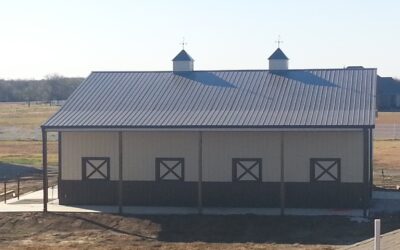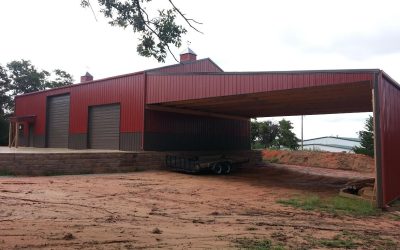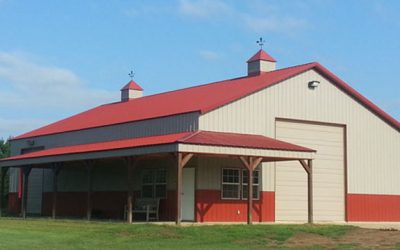

Over time, the needs for your building may evolve, and what once was a perfect fit might no longer meet your requirements. Whether you own a pole barn, workshop, garage, or another structure, upgrading it can breathe new life into your investment and extend its functionality. Enhancing an existing structure can be more cost-effective and sustainable than starting from scratch, and it opens the door to countless customization opportunities.
In this comprehensive guide, we’ll explore the signs that it’s time for an upgrade, the benefits of improving your structure, and actionable steps to transform your building into something better suited for your current needs.
Why Upgrade Your Existing Structure?
Upgrading an existing building offers numerous advantages. Beyond improving its aesthetic appeal, upgrades can also enhance functionality, increase durability, and add value to your property.
Key Benefits of Building Upgrades:
- Improved Functionality: Tailor your structure to meet new demands, such as increased storage, better workspace organization, or multi-purpose use.
- Cost Savings: Upgrading is often less expensive than constructing a new building.
- Extended Lifespan: Structural improvements can ensure your building lasts for years to come.
- Energy Efficiency: Modern upgrades like insulation, better lighting, and HVAC systems can reduce utility costs.
- Enhanced Aesthetic Appeal: An updated structure can boost curb appeal and make your property more attractive.
- Environmental Benefits: Upgrades often allow for the use of sustainable materials and energy-efficient solutions.
Signs It’s Time to Upgrade
Knowing when to upgrade your structure is essential to avoid costly repairs or diminished functionality. Here are some indicators that it might be time for an upgrade:
- Visible Wear and Tear: Cracks, rust, sagging, or damaged materials can signal the need for reinforcement or replacement.
- Inadequate Space: Outgrowing the original size or layout of the building due to expanding needs.
- High Energy Costs: Poor insulation or outdated systems leading to inefficiencies and higher utility bills.
- Structural Concerns: Issues with stability, such as weakened foundations, roof leaks, or compromised walls.
- Changing Needs: A shift in the purpose of the building, requiring additional features or reconfiguration.
- Outdated Design: An appearance that no longer aligns with your preferences or the surrounding environment.
Planning Your Building Upgrade
Step 1: Assess Current Conditions
Conduct a thorough inspection to evaluate the condition of your structure. Identify areas needing improvement, such as roofing, siding, flooring, or interior features. Hiring a professional inspector can provide a detailed analysis and uncover hidden issues.
Step 2: Define Your Goals
Determine what you want to achieve with the upgrade. Are you looking to add space, improve energy efficiency, enhance aesthetics, or increase functionality? Clearly defined goals will guide your renovation process and help you prioritize.
Step 3: Set a Budget
Establish a realistic budget, accounting for materials, labor, permits, and unexpected expenses. A clear budget helps prioritize upgrades and avoid overspending.
Step 4: Consult Professionals
Work with experienced builders or contractors who specialize in renovations and upgrades. Their expertise ensures that your project meets safety standards and achieves your vision.
Step 5: Obtain Necessary Permits
Check local regulations and obtain any required permits before beginning work. Compliance with building codes is crucial for both safety and legality.
Step 6: Create a Detailed Plan
Develop a comprehensive plan that outlines the scope of work, timelines, and specific materials needed. A detailed plan ensures smooth execution and minimizes delays.
Popular Structural Upgrades
Upgrading your building can involve a variety of enhancements, depending on your goals. Here are some popular upgrades to consider:
1. Structural Improvements
- Reinforce foundations and support beams to ensure stability.
- Replace or upgrade the roof to prevent leaks and improve durability.
- Add protective coatings to walls and floors for enhanced resilience.
2. Energy Efficiency Enhancements
- Add insulation to walls, ceilings, and floors to reduce energy loss.
- Install energy-efficient windows and doors to improve temperature regulation.
- Upgrade to LED lighting, solar panels, or energy-efficient HVAC systems to lower utility costs.
3. Functional Additions
- Build additional rooms or extend the current footprint to accommodate growing needs.
- Install lofts, mezzanines, or elevated storage areas for better organization.
- Add overhead doors, retractable walls, or partitions for easier access and versatility.
4. Interior Upgrades
- Redesign layouts to optimize workflow and maximize usable space.
- Add modern HVAC systems, plumbing, or electrical upgrades for improved functionality.
- Upgrade flooring with durable materials like epoxy, polished concrete, or vinyl.
5. Exterior Enhancements
- Replace siding with modern, low-maintenance materials like metal or composite panels.
- Paint or stain the building’s exterior for a refreshed look.
- Install landscaping features or exterior lighting for improved curb appeal and security.
6. Technology Integration
- Add smart systems for lighting, climate control, and security.
- Integrate automation features for doors, windows, and equipment.
- Install advanced monitoring systems for energy usage and maintenance needs.
Tips for a Successful Upgrade
- Prioritize Safety: Ensure all upgrades meet safety standards and building codes to protect occupants and property.
- Choose Quality Materials: Invest in durable, high-quality materials for long-lasting results.
- Plan for the Future: Consider how your needs may change and incorporate flexibility into the design.
- Stay Organized: Keep track of timelines, costs, and progress to avoid delays or budget overruns.
- Work with Experts: Hire professionals with a proven track record in renovations and upgrades.
- Communicate Clearly: Maintain open lines of communication with your contractors and ensure alignment on goals and expectations.
Real-Life Examples of Building Upgrades
- Pole Barn Workshop Expansion: A homeowner transformed their basic pole barn into a fully equipped workshop, complete with improved insulation, custom shelving, and state-of-the-art lighting.
- Storage Building Conversion: A small storage structure was upgraded to include climate control, reinforced walls, and additional storage racks for better organization.
- Energy Retrofit: A garage owner installed solar panels, upgraded insulation, and replaced old doors to create a more energy-efficient and sustainable space.
- Home Office Creation: An unused corner of a barn was converted into a cozy home office with modern amenities and stylish furnishings.
- Event Space Renovation: A client upgraded their pole barn to serve as a multi-purpose event venue with an elegant interior, upgraded flooring, and advanced lighting systems.
Get Started with Bradford Buildings
Upgrading your existing structure is an investment in its longevity, functionality, and value. Whether you need to enhance your pole barn, workshop, or storage building, strategic improvements can transform your space to better serve your needs. From structural reinforcements to aesthetic updates, the possibilities are endless.
Call us today at 918.673.2638 or visit our Contact Page to get started. Let us help you build the perfect structure to meet your needs.