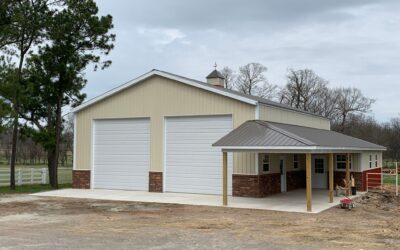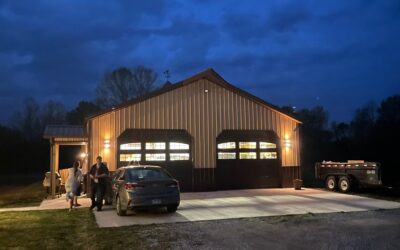

Pole barns have come a long way since their humble beginnings as simple farm storage structures. Once used exclusively for housing equipment and livestock, they’ve become versatile and modern solutions for residential, commercial, and recreational needs.
In this article, we’ll explore the fascinating evolution of pole barns, their benefits, and their modern applications. Whether you’re considering one for your next project or simply curious about this iconic construction style, you’ll find everything you need to know here.
What Are Pole Barns? A Quick Overview
A pole barn is a type of post-frame structure, characterized by its use of large vertical posts (or poles) as the primary supports. These poles are embedded into the ground or anchored to a concrete slab, eliminating the need for a traditional foundation.
Pole barns are known for their durability, affordability, and flexibility, which has made them a popular choice for a variety of uses. Let’s take a closer look at how they’ve transformed over the years.
The Origins
The concept of pole barns dates back to the 1930s during the Great Depression. Farmers needed cost-effective and efficient ways to build storage facilities for equipment, crops, and livestock. The availability of telephone poles—often salvaged or repurposed—made them an ideal material for constructing simple yet sturdy barns.
This method of construction allowed for large, open spaces without interior walls, making it perfect for agricultural purposes. The design was efficient, economical, and practical, laying the foundation for what we now recognize as pole barns.
The Evolution of Design
1940s-1950s: Agricultural Expansion
During this era, pole barns became a staple of rural America. As farms grew in size, so did the demand for larger and more durable storage solutions. Innovations in construction materials, such as pressure-treated wood, improved their longevity.
1960s-1970s: Commercial Applications
Pole barns started making their way into commercial spaces. Small businesses used them for warehouses, retail stores, and workshops, capitalizing on their affordability and quick construction times.
1980s-1990s: Residential Use
The rise of pole barn homes, or “barndominiums,” marked a turning point in the evolution of these structures. Homeowners recognized the potential of pole barns for creating spacious, customizable living spaces at a fraction of the cost of traditional homes.
2000s-Present: Modern Design
Today’s pole barns are marvels of engineering and design. They are constructed using advanced materials like steel siding, insulated panels, and energy-efficient roofing. Pole barns can serve as homes, office spaces, event venues, and more, blending functionality with aesthetic appeal.
Why Are Pole Barns So Popular Today?
1. Cost-Effective Construction
Pole barns are more affordable to build than traditional stick-frame structures, thanks to their simpler design and fewer materials. This makes them an attractive option for homeowners and business owners alike.
2. Quick Assembly
With their straightforward construction process, pole barns can be built in weeks rather than months. This is particularly appealing for those who need a quick turnaround on their projects.
3. Versatility
The barns can be customized to suit virtually any need, from cozy homes to sprawling warehouses. The open floor plan allows for endless possibilities in design and layout.
4. Energy Efficiency
Modern pole barns are often equipped with advanced insulation, energy-efficient windows, and roofing materials, reducing heating and cooling costs over time.
5. Durability
The sturdy post-frame construction can withstand harsh weather conditions.
Applications of Pole Barns: Then and Now
Traditional Uses
- Farm Storage: They were originally designed to house farm equipment, hay, and livestock.
- Workshops: Farmers used them as workspaces for repairing machinery and tools.
- Grain Storage: The large open spaces were perfect for storing grain and other crops.
Modern Applications
- Residential Homes: Barndominiums are a popular choice for those seeking affordable, customizable homes with a rustic charm.
- Commercial Buildings: Pole barns are now used for retail stores, restaurants, and office spaces.
- Garages and Workshops: From hobbyists to professionals, many people use pole barns as spacious garages or workshops.
- Event Spaces: The barns provide a unique and budget-friendly option for wedding venues, party spaces, and community centers.
The Rise of Barndominiums
One of the most exciting developments in pole barn evolution is the barndominium—a blend of barn and condominium. These structures offer the charm of a rustic barn with the comfort and functionality of a modern home.
Key Features of Barndominiums
- Open Floor Plans: The absence of interior load-bearing walls allows for spacious and flexible layouts.
- Energy Efficiency: Insulated walls and energy-efficient systems keep utility costs low.
- Customization: From luxury finishes to practical designs, barndominiums can be tailored to fit any lifestyle.
- Affordability: Barndominiums are often less expensive to build and maintain than traditional homes.
Why Choose Bradford Buildings?
At Bradford Buildings, we specialize in creating high-quality pole barns that are as functional as they are beautiful. With years of experience and a commitment to excellence, we can bring your vision to life, whether you’re building a new home, a workshop, or a storage facility.
Our Services Include:
- Custom design tailored to your needs.
- Durable, high-quality materials.
- Competitive pricing to fit your budget.
- Expert craftsmanship for lasting results.
Call us today at 918.673.2638 or visit our Contact Page to learn more about how we can help with your pole barn project.